The CryptKi Academy
Using multiple devices or wallets: risks and considerations
More layers do not always mean more safety
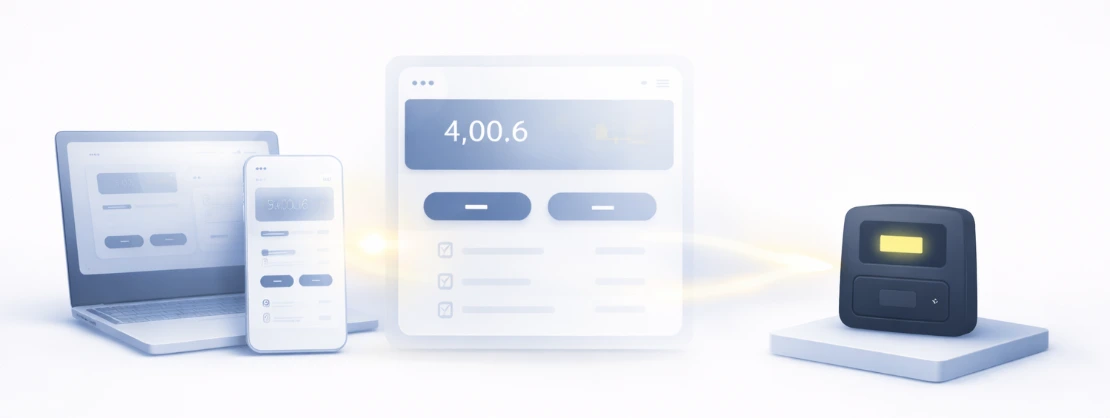
At some point, a single wallet on a single device starts to feel insufficient. A phone wallet for daily use, a desktop wallet for larger amounts, maybe a separate one for a specific application. Each addition feels like a reasonable response to a real need.
The result can look like a more robust setup. It is not necessarily one. Adding wallets and devices distributes control, but distribution is not the same as protection. It also multiplies the number of places where something can go wrong, and the number of assumptions that have to stay correct simultaneously.
Why people use multiple setups
The reasons are usually practical. Separating frequent activity from long-term holdings. Keeping one wallet for DeFi interactions and another untouched. Sharing partial access with a partner or a team. Building redundancy into a backup strategy.
These motivations are sound. The intention is usually sensible. Problems appear when separation starts being treated as protection in its own right. A boundary only helps if it is clearly defined, consistently respected, and understood by everyone who interacts with it.
Separation of control
Each wallet is a separate signing authority. Each device is a separate environment. When both multiply, control becomes distributed across contexts that the protocol treats as entirely independent.
That independence cuts both ways. If one wallet is compromised, assets in another are unaffected, that is the benefit. But if a mistake occurs in one context, the other contexts offer no correction. There is no coordination between wallets unless it has been deliberately designed in. The system simply processes whatever each one signs.
Consistency and assumptions
Multiple setups only work if the mental model behind them stays accurate.
Which wallet is for daily use and which one should rarely be touched. Which device is appropriate for which kind of action. What the balance is in each place, and whether it still reflects the original intention. These distinctions exist in the user's head, not in the system.
When that mental model drifts, gradually, through habit, through forgetting, errors follow quietly. A significant transfer confirmed from the wrong wallet. An approval granted through the browser on a device that was supposed to stay clean. A seed phrase backed up to a location that was meant to be temporary.
The blockchain processes all of it correctly. The confusion is invisible to the system. This is why using your wallet safely depends as much on habits and boundaries as on the number of wallets involved.
Device-specific risk
A phone that travels gets exposed to different environments than a desktop that stays home. A computer used for general browsing accumulates more attack surface than one used only for signing. A shared device introduces variables that are difficult to assess.
Using multiple devices means accepting multiple threat profiles, and accepting that they will not be equal. A carefully isolated wallet provides little protection if an older phone or a frequently used computer can still authorize significant transactions. The weakest part of the setup often ends up defining overall exposure.
For that reason, securing your computer and phone for crypto use is not a separate concern from wallet design. The device that can authorize transactions is part of the security model.
Multiple wallets versus layered design
Owning several wallets is not the same as having a layered security design. The difference is structure.
Layered design means each wallet has a defined role, a defined scope, and a reason for existing separately from the others. A hot wallet for regular activity, sized to what can be lost without serious consequence. A cold wallet for holdings that should move rarely. Clear rules about what crosses between them, and when.
Without that structure, multiple wallets tend to create the feeling of security without the substance of it. The pieces exist, but they do not form a coherent system. Complexity increases, and with it the number of things that can go wrong, without any corresponding improvement in resilience.
A useful next step is to turn these roles into an intentional structure. How to structure your crypto setup and reduce your exposure explains how to move from scattered wallets to clearer limits and responsibilities.
When complexity helps
Complexity is useful when it reflects genuine structural separation.
Frequent activity isolated from long-term holdings. Different roles or people separated by design rather than by informal habit. A wallet used for interactions with new or unfamiliar contracts, kept away from assets that should not be put at risk.
In these cases, the additional pieces serve a purpose. Risk is redistributed deliberately, and the structure makes that redistribution visible. The complexity earns its place.
How complexity multiplies authority without coordination
Each wallet and each device introduces an independent signing context. The protocol treats them all equally. There is no hierarchy, no awareness of intent, and no mechanism that enforces the architecture a user has in mind.
Without deliberate coordination, adding contexts adds failure points without adding rigidity. A signing authority that exists can be used, correctly from the protocol's perspective, regardless of whether using it was part of the plan.
The protocol enforces outcomes. It does not enforce architecture. That part is entirely on the user.

Key takeaways
- Multiple wallets distribute control, they do not automatically reduce risk.
- Separation only helps when the boundaries are clear and consistently maintained.
- Each additional device introduces a separate threat environment.
- Overall exposure is often defined by the weakest part of the setup.
- Structure matters more than quantity, roles and limits matter more than the number of wallets.
Find out more
-
Hot vs cold wallets
explains the difference between wallets used often and wallets designed for reduced exposure. -
Using your wallet safely
focuses on behavioural risks in daily use. -
Securing your computer and phone for crypto use
shows how device hygiene affects wallet safety. -
How to structure your crypto setup and reduce your exposure
turns wallet separation into a practical security structure. -
Multisignature wallets
explores structured coordination between keys. -
Sharing access
examines safer alternatives to informal sharing.
CryptKi Academy full index - Browse all articles
Some tools exist to help manage private keys.
If you want to see concrete examples, you can explore our shop.