The CryptKi Academy
Wrong network or wrong chain transfers: when a valid transaction leads to loss
A confirmed transaction, and still no funds
Alice withdraws USDT from an exchange. She copies the destination address carefully. She confirms the transaction. A few minutes later, the exchange shows the withdrawal as complete.
The funds never arrive where she expected them.
Nothing was hacked. Nothing was stolen. The network only verified whether the transaction was valid, not whether it matched what Alice intended.
This is one of the most common ways users lose access to funds in crypto. Not through attacks or scams, but through a valid transaction sent on the wrong chain.
Why the same address exists on multiple networks
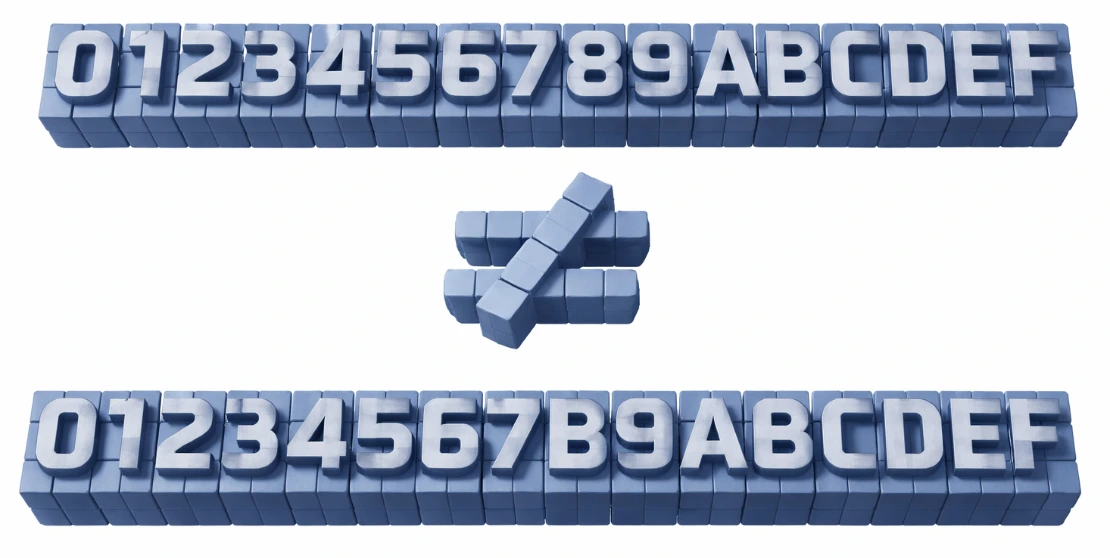
Most users discover at some point that their Ethereum address and their BNB Chain address look identical. The same is true for Arbitrum, Optimism, Base, and several other networks. This is not a coincidence, many of these networks use the same address format.
What it does not mean is that they share the same ledger.
The same private key can control the same address on several of these networks. What changes is the ledger that records ownership. To understand this relationship more clearly, it helps to separate keys, addresses, and seed phrases from the networks where balances are recorded.
USDT sent on BNB Chain is an entry in BNB Chain's ledger. It does not automatically exist on Ethereum, even if the destination address looks valid there too.
This is the source of most wrong-network losses. The address was correct. The network was not.
How the mistake happens in practice
The most common scenarios involve a few recurring situations.
Sending to an exchange that expects a specific network. A user deposits USDT on Polygon to an exchange that only supports USDT on Ethereum. The deposit address is the same. The network setting was easy to overlook. The exchange never receives the funds on the chain it monitors.
Withdrawing on the wrong network. A user withdraws from an exchange and selects BNB Chain instead of Ethereum. The receiving wallet supports Ethereum but has not been configured for BNB Chain. The transaction confirms. The balance does not update where the user expected.
Confusing similar networks. Arbitrum, Optimism, and Base are all built on top of Ethereum and use Ethereum-compatible addresses. A user familiar with one assumes the others work the same way for a specific transfer. They do not always.
In each case, the transaction is valid. The network verifies whether a transaction follows its rules, not whether it matches what the sender intended. After a transfer, learning how to read a transaction on Etherscan can help confirm which network recorded the transaction and what address received it.
Alice did everything she thought mattered. She verified the address carefully. What she overlooked was the network selection.
What happens to the funds
Assets sent on the wrong network do not disappear in a technical sense. They exist on the chain where the transaction was recorded. The question is whether the recipient can access them there.
If the receiving address is controlled by a private key the recipient holds, and that key works on the network used for the transfer, recovery is sometimes possible. The recipient can import the key into a wallet that supports that network and access the funds directly.
If the receiving address belongs to an exchange or a custodial service, recovery depends entirely on that organisation. Some exchanges can retrieve funds sent on an unsupported network; others cannot or will not. There is no standard process.
When a mistake has already happened, the safest next step is not to guess or repeat the transfer, but to follow a structured recovery process such as how to recover from a crypto transaction mistake.
The blockchain itself provides no correction mechanism. A valid transaction stays valid. The loss comes from a mismatch between where the assets ended up and where the recipient can reach them.
Bridges do not fix this retroactively
Users who discover a wrong-network transfer sometimes assume a bridge will solve the problem. Bridges are tools that allow assets to move between networks, but they require the user to already hold and control the assets on the source chain.
If the assets are already inaccessible, for example because they were sent to an exchange address the user does not control, a bridge is not useful. Bridges operate on assets the user controls, not on assets that are stranded.
When a bridge is available and the user does control the address, cross-chain transfer is possible, but it requires explicit steps, fees, and an understanding of what the bridge actually does. Before using one, it is worth reviewing how to swap and bridge assets safely. Nothing moves automatically.
Before sending, check the network
Wrong-network transfers are difficult or impossible to reverse after the fact. The verification has to happen before confirmation.
Before any transfer, three things are worth checking: the destination address, the network selected in the wallet or exchange interface, and whether the recipient supports that specific network. When an exchange lists a deposit address, it usually specifies which network it expects. That specification matters as much as the address itself.
For a practical checklist before making a transfer, see how to send and receive crypto safely.
A transaction confirmed on the wrong network is a completed transaction. The window for correction closes the moment it is accepted by the chain.
Key takeaways
- Assets are recorded on a specific chain, not attached to an address in the abstract.
- An address can be identical across multiple networks without assets being accessible across all of them.
- Wrong-network transfers are often caused by a single overlooked setting, not a technical failure.
- Recovery depends on who controls the receiving address and whether that network is accessible to them.
- Bridges require the user to already control the assets, they do not recover stranded funds.
- Verification before confirmation is the only reliable safeguard.
Why correctness is always local
Each network enforces its own rules.
A valid transaction on one chain has no meaning on another.
Formal definition of chain-local signing context (replay protection): EIP-155.
The protocol does not bridge context.
Correctness exists only where validation occurs.
Find out more
-
Crypto transactions: how they work, confirmations, and irreversibility
revisits how validity, confirmations, and irreversibility work. -
How to send and receive crypto safely
turns network and address checks into a practical transfer routine. -
How to read a transaction on Etherscan
helps verify where a transaction was recorded and what actually happened. -
How to recover from a crypto transaction mistake
offers next steps when a transfer error has already happened. -
How to swap and bridge assets safely
explains the practical risks of moving assets between networks. -
Using your wallet safely: daily practices and common mistakes
focuses on daily checks before irreversible actions. -
Risks in the crypto ecosystem (overview)
places wrong-network transfers among common crypto loss patterns.
CryptKi Academy full index - Browse all articles
Some tools exist to help manage private keys.
If you want to see concrete examples, you can explore our shop.